About Us
About Us
Capabilities
Capabilities
Impact
Impact
Commitments
Commitments
Improving Health and Vitality

This is health for the greater good.
Every day, The Cigna Group℠ finds new ways to enhance health care as a whole. Our expertise, insights, innovations, and partnerships help us lead the way so we can improve the vitality of every individual in every community.
Vitality
Our findings on vitality–the capacity to pursue life with health, strength, and energy–show that it’s critical to recognize that our overall health and well-being is dynamic and multi-dimensional.
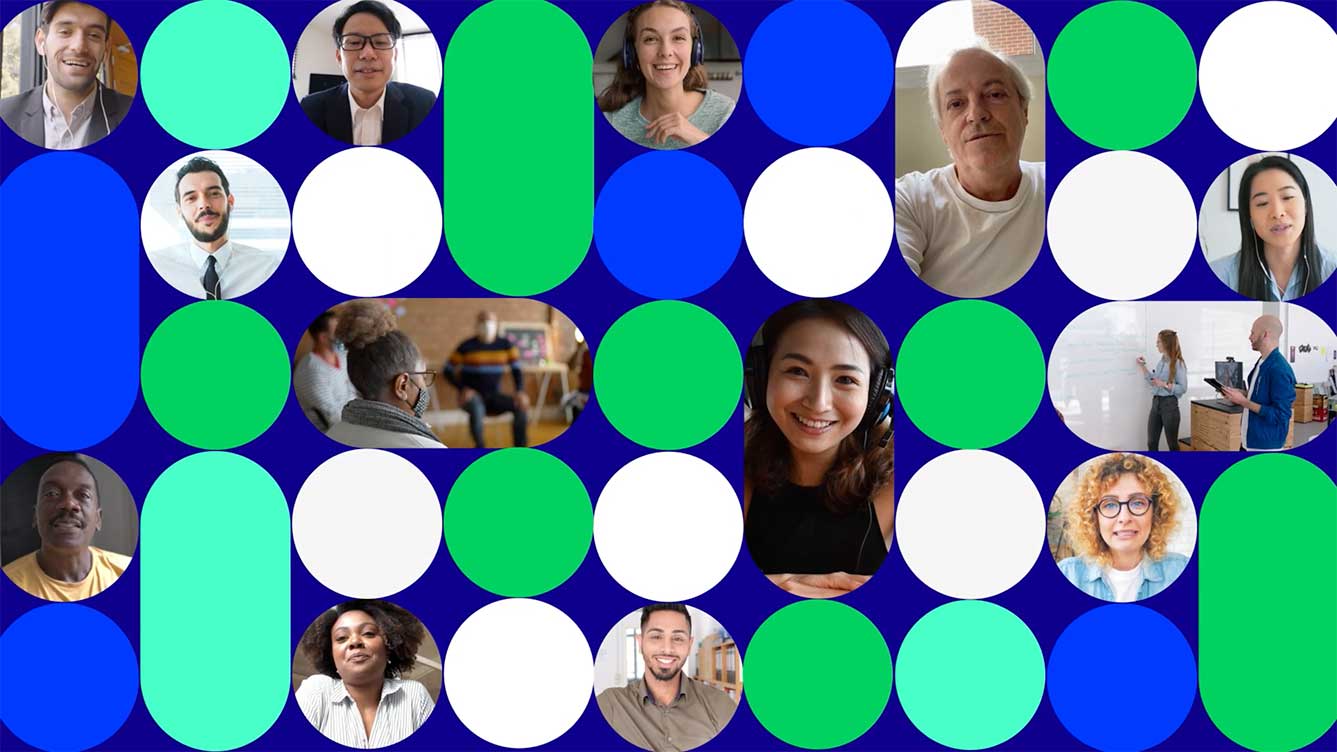
Vitality Video
The pandemic illuminated the importance of health and well-being like never before. At The Cigna Group, we believe living and working with vitality can help us come back stronger, happier, and healthier. (Length 00:00:30)

Vitality 2023: Americans Are Optimistic Despite Facing Physical, Mental, and Financial Health Challenges
Although American adults continue to struggle with their physical, emotional, and financial health and well-being, a new study from The Cigna Group has found that their optimism is up year over year.

Research: Gen Z Adults Gaining Ground, but Continue to Have Lowest Vitality of All Generations
Gen Z adults are known for characteristics such as their ambition to do well financially, their digital and social media savvy, and their drive to help others. Simultaneously, many have struggled with mental health issues and low vitality.

New Research Indicates Employers Could Benefit from Strategies to Retain Workers with High Vitality
Vitality is a person’s ability to live life with health, strength, and energy – and in the world of work it equates to high-performing, motivated, and healthy employees.
Health Equity
By working with employers, local health systems, policymakers, and communities, we’re investing in solutions that promote health literacy, inclusivity, and economic, environmental, and social support systems to make a meaningful and lasting impact on health equity.
Dr. Stanley Crittenden Chief Medical Officer, The Cigna Group

Health Equity and Social Determinants of Health (SDOH)
Wellness begins with where we live, work, learn, and play. Addressing environmental factors, socioeconomic status, education, and neighborhood attributes, known as SDOH, plays a critical role in achieving optimal health, wellness, and vitality.

Spotlight on the Community
Improving access to quality care and engagement, especially for women in underserved communities, is key to reducing health disparities and mortality rates.

Recognizing Excellence
Read more about three Health Equity Action Award winners and how their programs are bringing health equity to life in the communities they serve.
Resilience
Vital work by The Cigna Group on resilience and the ability to recover from challenges drives ongoing efforts to increase resilience post-pandemic and beyond.
Resilience Index [PDF]
This in-depth report is the largest U.S. survey of resilience1 and examines the ability of students, their parents, and working adults to recover from challenges.
Youth and Parent Report [PDF]
Our study shows that although children start off as highly resilient, they experience a sharp decline in resilience through their early pre-teen years (11-13) that continues through age 23.
Workplace Report [PDF]
Resilience levels decline from full-time to part-time to furloughed to laid-off workers, but nearly two-thirds of full-time workers are at risk of not being able to overcome challenges.
Loneliness in America
Loneliness affects millions of Americans and continues to influence mental health, well-being, and vitality across generations. Through ongoing research, The Cigna Group has helped advance understanding of loneliness in America and identify opportunities to strengthen connection, resilience, and overall health.

Research: Loneliness in America 2025
Since establishing the landmark U.S. Loneliness Index in 2018, The Cigna Group has taken the lead in measuring the impact of loneliness in America. Delve into the latest 2025 research, which explores the root causes of loneliness and its wider impacts on people across ages and life stages, and strategies to address the loneliness epidemic and help build vitality and resilience.

The hidden costs of loneliness at work
Did you know that more than half of American workers classify as lonely? Our new research finds that loneliness has significant implications for work productivity, job satisfaction, and overall company performance.

A manager’s guide to combating loneliness in the workforce
Our research shows that even in the face of unique challenges, thoughtful actions and strategies from managers can help employees overcome loneliness and increase vitality.
Related Resources
Vitality Video
Leaders
Learn More About Us
Connect with Us on Social
©